How Sanitizing Agents Are Applied in LaGrange Air Duct Cleaning
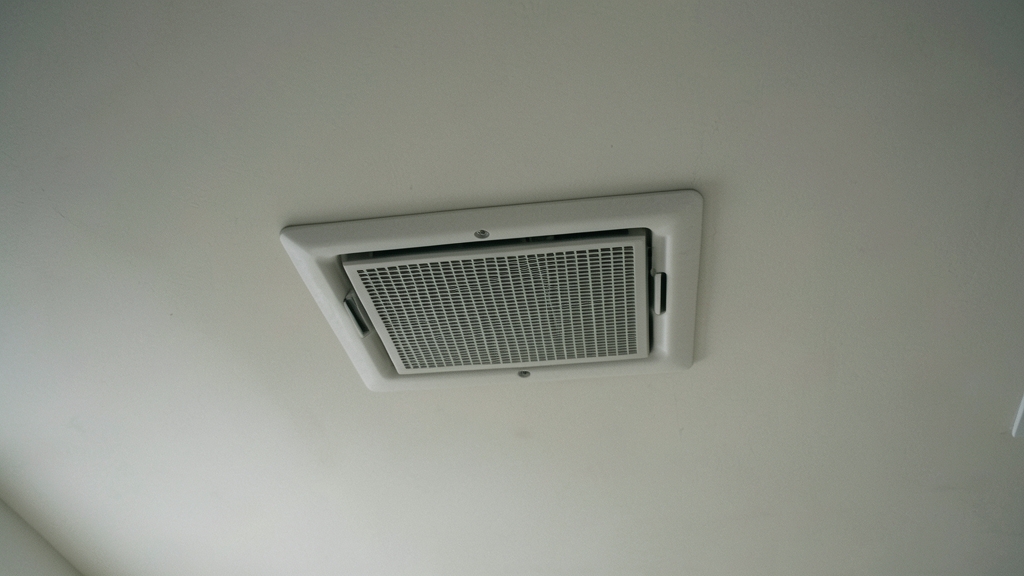
Sanitizing agents are a critical step in professional air duct cleaning, ensuring your system doesn’t just look clean—it’s hygienically safe. In our humid Georgia climate, ducts can harbor mold, bacteria, and allergens that recirculate through your home or business. We use targeted treatments to eliminate these contaminants at the source.
Why Sanitizing Agents Matter in Duct Cleaning
Humidity in West Georgia creates ideal conditions for mold and mildew growth inside ductwork. Standard cleaning removes dust and debris, but sanitizing agents neutralize microscopic threats that linger.
Without proper treatment, spores and bacteria can multiply, degrading indoor air quality and triggering allergies or respiratory issues. Sanitizing ensures a deeper, longer-lasting clean.
Types of Sanitizing Agents We Use
EPA-registered antimicrobial sprays are our go-to for residential and commercial systems. These agents are formulated to kill mold, bacteria, and viruses on contact without damaging duct materials.
For severe contamination, we may use fogging techniques. This method disperses a fine mist that reaches every crevice of the ductwork, including hard-to-access areas like coils and vents.
| Method | Best For | Coverage | Drying Time |
|---|---|---|---|
| Antimicrobial Spray | General sanitization, light mold | Targeted surfaces | 1-2 hours |
| Fogging | Deep penetration, severe contamination | Entire duct system | 2-4 hours |
| UV Light Treatment | Ongoing prevention, high-traffic systems | Continuous (installed) | N/A |
When Sanitizing Is Necessary
Visible mold growth inside ducts or on vents is a clear sign sanitizing is needed. Musty odors or unexplained allergy flare-ups in your home or office are also red flags.
After water damage or flooding—common in areas like Hogansville or Franklin—ducts should be inspected and sanitized to prevent microbial growth. Even new construction can benefit from treatment to remove dust and construction debris.
Standing water or excessive moisture in ducts can lead to mold within 24-48 hours. Immediate cleaning and sanitizing are critical to prevent long-term damage.
Our Step-by-Step Sanitizing Process
First, we perform a thorough inspection using cameras to identify contamination hotspots. This step ensures we target the right areas with the appropriate sanitizing agents.
Next, we clean the ducts using high-powered vacuums and brushes to remove loose debris. Only after cleaning do we apply sanitizing agents, as they work best on clean surfaces.
Safety and Effectiveness of Sanitizing Agents
All agents we use are EPA-approved and safe for use in occupied spaces once dry. They’re designed to break down harmlessly, leaving no residual chemicals in your air supply.
We prioritize products with low VOCs (volatile organic compounds) to minimize any temporary odors. Proper ventilation during and after application ensures a safe environment for your family or employees.
Open windows and run fans for at least an hour after sanitizing to speed up drying and clear any lingering odors.
Sanitizing vs. Standard Air Duct Cleaning
Standard cleaning removes dust, pet dander, and debris, but it doesn’t address microscopic contaminants. Sanitizing is the only way to ensure these invisible threats are eliminated.
Think of it like washing your hands: soap removes dirt, but sanitizer kills germs. For optimal indoor air quality, both steps are essential, especially in humid climates like ours.
Complementary Services for Total Air Quality
Sanitizing is just one part of a comprehensive approach. We also offer HVAC coil cleaning, which removes buildup that can reduce efficiency and harbor mold. Dirty coils can undo the benefits of clean ducts.
For ongoing protection, consider UV light installation inside your ductwork. This technology continuously sanitizes air as it passes through, ideal for homes in Pine Mountain or Grantville with high pollen counts.
Signs Your System Needs More Than Cleaning
- Visible mold on vents or inside ducts
- Persistent musty or stale odors
- Unexplained increases in allergy or asthma symptoms
- Recent water damage or flooding near HVAC components
How Long Sanitizing Agents Last
The effects of sanitizing agents typically last 6-12 months, depending on environmental factors. High humidity, frequent HVAC use, or poor filtration can shorten this window.
Regular air filter replacement and annual duct inspections help extend the benefits. In commercial settings, like businesses in West Point, we may recommend more frequent treatments due to higher occupancy.
How to Prepare for Air Duct Sanitizing
A little prep ensures the process is smooth and effective.
- 1Clear the Area
Remove furniture, rugs, or items near vents to give our team full access. This also protects your belongings from overspray.
- 2Turn Off HVAC
Switch off your system at the thermostat to prevent airflow during cleaning and sanitizing. This keeps agents from dispersing prematurely.
- 3Cover Sensitive Items
If you have electronics, artwork, or plants near vents, cover them with plastic sheeting. Sanitizing agents are safe once dry but can damage sensitive surfaces if wet.
- 4Plan for Downtime
Allow 2-4 hours for the process, including drying time. Avoid running the HVAC during this period for best results.
- 5Ventilate Afterward
Open windows and doors for at least an hour post-treatment to aid drying and clear any temporary odors.
Frequently Asked Questions
Is sanitizing necessary every time I clean my air ducts?
Not always. If your ducts are free of mold, bacteria, or odors, standard cleaning may suffice. However, in humid areas like LaGrange, we often recommend sanitizing as a preventive measure, especially if anyone in the home has allergies or respiratory issues.
Can sanitizing agents damage my HVAC system?
No. When applied by professionals, EPA-approved sanitizing agents are safe for all standard duct materials, including sheet metal, flex duct, and fiberglass. We avoid harsh chemicals that could degrade components over time.
How do I know if my ducts need sanitizing?
Visible mold, musty smells, or unexplained health symptoms are clear indicators. If you’ve had water damage or notice dust buildup near vents, it’s worth an inspection. We can test for microbial growth and recommend the right treatment.
Are sanitizing agents safe for pets and children?
Yes, once fully dry. We use low-VOC, non-toxic products that break down safely. We advise keeping pets and children out of the treated area until the sanitizer has dried completely, typically 1-2 hours.
Does sanitizing help with dust mites or pollen?
Sanitizing agents primarily target mold, bacteria, and viruses. For dust mites or pollen, we recommend combining sanitizing with high-efficiency air filters and regular duct cleaning. UV light systems can also help reduce airborne allergens.
Can you sanitize dryer vents too?
Absolutely. Dryer vents accumulate lint and moisture, which can harbor mold and bacteria. We offer dryer vent cleaning and sanitizing as a separate service to improve safety and efficiency.