How Humid Climate in LaGrange Accelerates Air Duct Contamination
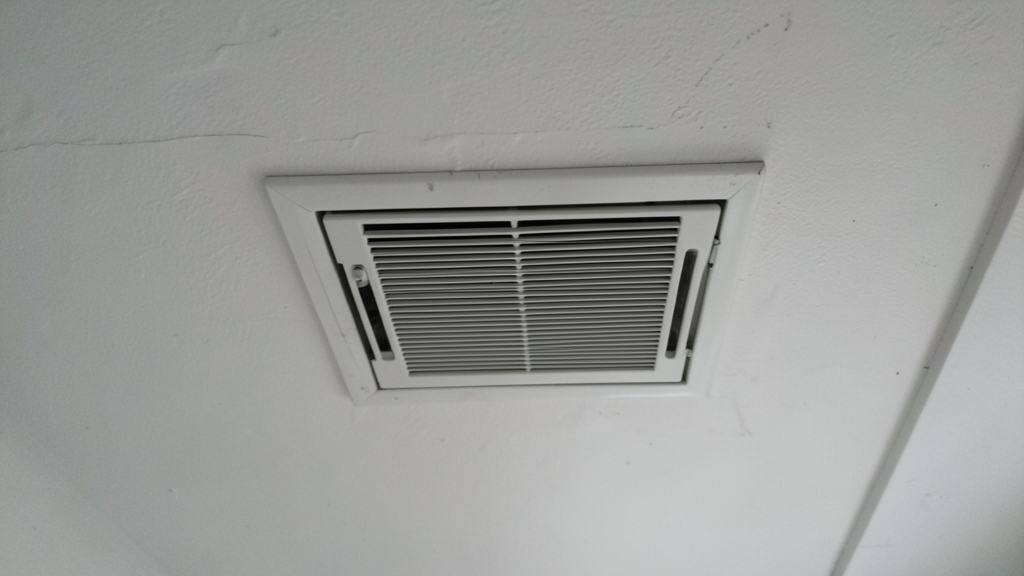
LaGrange’s long, humid summers don’t just make the air feel heavy—they turn your ductwork into a breeding ground for contaminants. We see it firsthand: moisture-laden air circulates through dark, cool ducts, feeding mold, dust mites, and bacteria that your HVAC then spreads through every room.
Why Humidity Supercharges Duct Contamination
Relative humidity above 60% creates the perfect storm inside ducts. Warm, moist air condenses on cooler metal or flex duct surfaces, leaving a thin film of water that dust and organic debris cling to.
In our region, that moisture doesn’t just sit—it activates dormant spores. Mold and mildew colonies can take hold within 24–48 hours, especially in poorly insulated or improperly sealed duct segments near attics or crawl spaces.
Common Contaminants Thriving in LaGrange Ducts
Mold and mildew top the list, but they’re not alone. Pollen from oak, pine, and sweetgum trees hitches a ride on humid air, settling deep in ductwork where standard filters can’t reach.
Dust mites flourish in the same conditions, feeding on skin cells and organic matter. Their waste and body fragments become airborne, triggering allergies and asthma—especially tough on families in older homes near Hogansville or West Point.
| Contaminant | Source | Health Impact |
|---|---|---|
| Mold spores | Condensation + organic dust | Respiratory irritation, headaches, long-term lung issues |
| Dust mites | Humid air + skin cells | Allergies, asthma flare-ups |
| Pollen | Outdoor air intake | Seasonal allergy symptoms |
| Bacteria (e.g., Legionella) | Stagnant moisture in coils/drip pans | Flu-like symptoms, infections |
| Volatile Organic Compounds (VOCs) | Mold metabolism, cleaning residues | Eye/nose/throat irritation, nausea |
Signs Your Ducts Are Suffering from Humidity
A musty odor when the AC kicks on is the most obvious red flag. That smell isn’t just in the air—it’s coming from colonies growing on duct linings or coil fins.
Unexplained allergy spikes or respiratory issues that improve when you’re away from home often point to duct-born contaminants. Check for visible mold near vents or excessive dust buildup on registers, too.
Humidity hits evaporator coils hardest. Clogged coils reduce efficiency and create a petri dish for microbial growth. We always inspect coils during duct cleaning in LaGrange homes.
How Humidity Interacts with Local HVAC Designs
Many LaGrange homes use flex duct in attics—great for installation, but prone to sweat in high humidity. Poorly sealed joints let moist outdoor air infiltrate, accelerating contamination.
Older metal ducts in neighborhoods like Franklin or Grantville may corrode faster in humid conditions, shedding particles that circulate through your system. Even well-maintained systems need more frequent attention here than in drier climates.
The Role of Indoor Air Quality Testing
Before cleaning, we often recommend IAQ testing to pinpoint contaminants. Humidity-related issues show up as elevated spore counts or high particulate levels, even if ducts look clean.
Testing helps us tailor solutions—like adding UV sanitization for mold-prone systems or upgrading to higher MERV filters for pollen-heavy areas near Pine Mountain.
Keep indoor humidity between 30–50% with dehumidifiers or whole-home solutions. This slows contaminant growth between professional cleanings.
Why DIY Fixes Fall Short in Humid Climates
Vacuuming vents or swapping filters only scratches the surface. Humidity-driven contaminants embed deep in duct linings, coils, and blower assemblies—areas most homeowners can’t access or clean effectively.
Store-bought sprays or foggers may kill surface mold but often leave residues that worsen IAQ. Professional tools like negative air machines and HEPA vacuums are essential for thorough removal.
Long-Term Solutions for LaGrange Homeowners
Start with a professional duct cleaning every 3–5 years—or annually if you’ve had water damage or persistent mold. Pair this with coil cleaning and dryer vent cleaning to remove all moisture-prone components.
Consider UV light systems installed in the ductwork near the coil to neutralize mold and bacteria continuously. For commercial spaces or larger homes, we also offer sanitization treatments that create a protective barrier against regrowth.
Humidity-Proof Your Ducts
- Seal all duct joints with mastic or foil tape (not duct tape)
- Insulate ducts in unconditioned spaces (attics, crawl spaces)
- Upgrade to a dehumidifier or whole-home humidity control
- Replace filters every 1–3 months (higher MERV in allergy season)
- Schedule annual HVAC maintenance, including coil and drip pan cleaning
How to Reduce Humidity-Related Duct Contamination
These steps help minimize moisture and contaminants between professional cleanings.
- 1Control Indoor Humidity
Use a hygrometer to monitor levels. Run a portable dehumidifier in damp areas or install a whole-home system if humidity consistently exceeds 50%.
- 2Improve Ventilation
Ensure bathrooms and kitchens have exhaust fans vented outside. Run them for 20–30 minutes after showers or cooking to expel moist air.
- 3Inspect and Seal Ductwork
Check for gaps or disconnected sections in attics or basements. Seal with mastic sealant and insulate exposed ducts to prevent condensation.
- 4Upgrade Air Filtration
Switch to a MERV 8–13 filter and change it monthly during high-humidity months. Consider a media filter for better particle capture without restricting airflow.
- 5Clean and Maintain HVAC Components
Have a professional clean evaporator coils, drip pans, and blower assemblies annually. These areas harbor moisture and contaminants that spread through ducts.
Frequently Asked Questions
Does LaGrange’s humidity mean I need duct cleaning more often?
Yes. In our climate, we recommend inspecting ducts every 2–3 years and cleaning every 3–5, or sooner if you notice musty smells, visible mold, or worsening allergies. Humidity accelerates contamination, so proactive maintenance is key.
Can high humidity damage my HVAC system?
Absolutely. Excess moisture promotes corrosion in metal ducts, clogs coils with microbial growth, and forces your system to work harder—reducing efficiency and lifespan. Regular cleaning and moisture control help prevent costly repairs.
What’s the difference between mold treatment and sanitization?
Mold treatment targets active colonies with antimicrobial agents. Sanitization goes further, using UV light or chemical treatments to kill bacteria, viruses, and mold spores, and often leaves a protective coating to inhibit regrowth.
Will a dehumidifier alone solve my duct issues?
It helps, but it’s not a complete fix. Dehumidifiers reduce moisture in the air, slowing contaminant growth. However, existing mold, dust, and debris in ducts still need professional removal to restore air quality.
Do newer homes in LaGrange have the same humidity-related duct problems?
Often, yes. While newer homes may have better insulation and sealing, tight construction can trap moisture inside. Poorly installed ductwork or lack of ventilation in crawl spaces (common in West Point or Hogansville) still leads to contamination.
How do I know if my ducts need cleaning or just better maintenance?
If you see mold, notice persistent odors, or experience unexplained health issues, it’s time for a professional inspection. For general upkeep, focus on humidity control, filter changes, and annual HVAC maintenance. Request a quote to assess your system’s needs.