The Science Behind Dirty Ducts and Poor Indoor Air Quality in LaGrange Homes
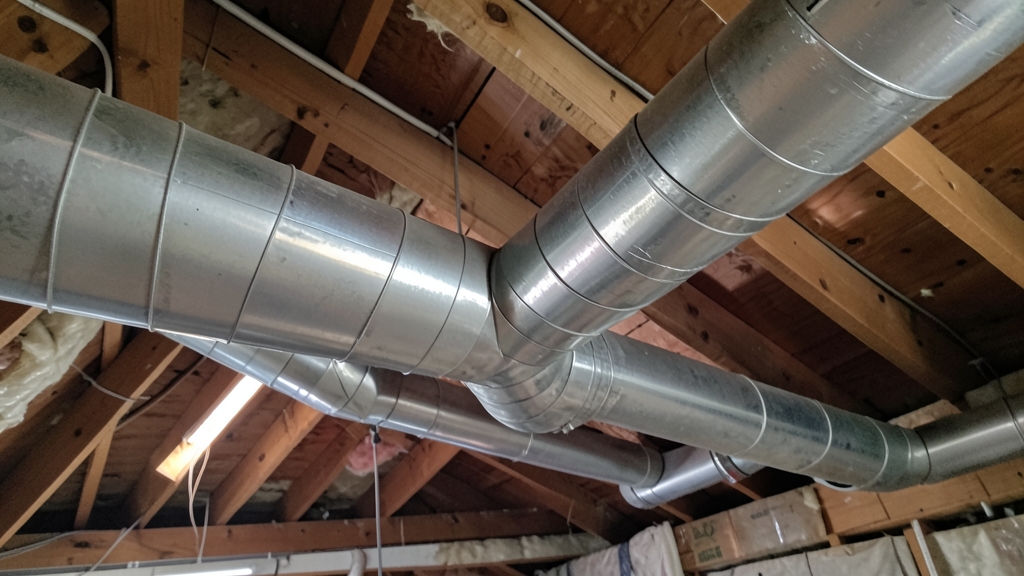
Your home’s ductwork is more than a network of metal tunnels—it’s the respiratory system of your HVAC. When ducts accumulate dust, mold, or debris, they don’t just reduce airflow; they actively degrade indoor air quality. In our climate, with its humid summers and pollen-heavy springs, the problem accelerates faster than many homeowners realize.
How Duct Contamination Starts and Spreads
Every time your HVAC runs, it pulls air through return vents, where dust, pet dander, and pollen settle. Over months, these particles build up in duct walls, creating a reservoir that gets recirculated into living spaces.
High humidity in LaGrange summers adds another layer. Moisture condenses in ducts, especially near the evaporator coil, fostering mold and mildew. Once established, these microbes release spores that travel through supply vents into every room.
The Hidden Culprits in Your Ducts
Dust mites thrive in duct lint, feeding on dead skin cells and multiplying rapidly. Their waste and body fragments become airborne allergens, triggering asthma and allergies even in previously unaffected individuals.
Volatile organic compounds (VOCs) also hitch a ride. Cleaning products, paint fumes, and off-gassing from furniture get trapped in ducts, then released in concentrated bursts when the system kicks on.
Black mold often grows in dark, damp sections of ductwork. If you smell a musty odor when the HVAC runs, assume contamination until proven otherwise.
Duct Debris vs. Indoor Air Quality: The Direct Link
Particulate matter (PM2.5 and PM10) from dirty ducts penetrates deep into lungs, exacerbating respiratory conditions. Children, the elderly, and those with compromised immune systems are most vulnerable.
Poor IAQ doesn’t just affect health—it impacts comfort. Dust-clogged ducts restrict airflow, forcing your HVAC to work harder. This leads to uneven temperatures, higher energy bills, and premature system wear.
Signs Your LaGrange Home Has Contaminated Ducts
Unexplained dust buildup on furniture shortly after cleaning is a classic red flag. If your filters clog faster than usual, or you notice visible mold around vents, your ducts likely need attention.
Increased allergy symptoms at home—but not elsewhere—can point to duct-born allergens. Whistling or rattling noises may indicate blockages or loose debris in the system.
Common IAQ Red Flags
- Persistent musty or stale odors when HVAC runs
- Visible mold growth on vents or ductwork
- Increased dust despite regular cleaning
- Uneven heating or cooling between rooms
- Frequent sneezing or respiratory irritation at home
How Duct Cleaning Restores Airflow and IAQ
Professional duct cleaning uses high-powered vacuums and agitation tools to dislodge and remove debris. For mold, we apply EPA-approved antimicrobial treatments to sanitize the system without harsh chemicals.
In LaGrange, where pollen counts spike in spring and fall, we often pair duct cleaning with air filter upgrades. A MERV 13 filter captures finer particles, but only if the ducts themselves are clean.
| Issue | Before Cleaning | After Cleaning |
|---|---|---|
| Airflow (CFM) | Reduced by 20-40% | Restored to design specs |
| Energy Efficiency | Lower due to strain | Improved by 10-25% |
| Allergen Levels | Elevated in air | Significantly reduced |
| System Lifespan | Shortened by debris | Extended with proper maintenance |
Why DIY Duct Cleaning Falls Short
Household vacuums lack the suction power to reach deep into ductwork. Worse, improper tools can dislodge debris without capturing it, spreading contaminants further into your home.
Accessing all sections of ductwork—especially in multi-story homes in areas like Pine Mountain or West Point—requires specialized equipment. Without it, critical areas remain untreated.
After cleaning, seal duct joints with mastic or metal tape to prevent dust infiltration. Consider UV light installation near the coil to inhibit future microbial growth.
When to Schedule Duct Cleaning in Georgia’s Climate
We recommend duct cleaning every 3–5 years for average homes, but more frequently if you have pets, smokers, or recent renovations. In LaGrange, the high humidity and seasonal pollen make annual inspections wise.
After a home renovation, construction dust can overwhelm your system. Similarly, if you’ve experienced water damage or notice mold in other areas, prioritize duct inspection and cleaning.
Beyond Ducts: Related Services for Total IAQ Control
Dryer vent cleaning prevents lint buildup, a fire hazard that also restricts airflow. In Hogansville or Franklin, where older homes are common, blocked vents are a frequent issue we address.
HVAC coil cleaning removes the slimy buildup on evaporator and condenser coils, which can harbor mold and bacteria. For severe IAQ concerns, we offer indoor air quality testing to identify specific pollutants and their sources.
Offices, schools, and retail spaces in Grantville or West Point often have larger, more complex duct systems. Commercial duct cleaning follows stricter protocols to meet health and safety standards.
How to Check Your Ducts for Contamination
A quick self-inspection can reveal whether your ducts need professional attention.
- 1Remove and Inspect Vent Covers
Use a screwdriver to take off a few supply and return vent covers. Shine a flashlight inside. If you see dust buildup thicker than 1/4 inch, it’s time for a cleaning.
- 2Look for Mold or Moisture
Check for dark spots or a musty smell near vents or duct joints. Mold often appears as black, green, or white patches.
- 3Test Airflow Strength
Hold a tissue near a supply vent when the HVAC is on. Weak airflow could indicate blockages in the ductwork.
- 4Monitor Filter Condition
If your air filter clogs within a month of replacement, your ducts may be overloading it with debris.
- 5Assess Indoor Air Smells
Turn on the HVAC and walk through your home. Stale, musty, or dusty odors coming from the vents are a clear sign of contamination.
Frequently Asked Questions
Can dirty ducts make my allergies worse in LaGrange?
Absolutely. Dirty ducts circulate allergens like pollen, dust mites, and pet dander, which are already prevalent in our area. Cleaning the ducts removes these triggers, often providing noticeable relief.
How long does professional duct cleaning take?
For an average home, the process takes 2–4 hours. Larger homes or those with extensive contamination may require more time. We use negative air pressure systems to ensure debris doesn’t escape into your living spaces.
Will duct cleaning reduce my energy bills?
Yes, by improving airflow. Clogged ducts force your HVAC to work harder, increasing energy consumption. Clean ducts allow the system to operate efficiently, which can lower monthly costs.
Is duct cleaning necessary if I replace my HVAC system?
Yes. Installing a new system on dirty ducts contaminates it immediately. We always recommend duct cleaning before a new HVAC installation to maximize performance and longevity.
What’s the difference between duct cleaning and duct sealing?
Duct cleaning removes contaminants, while duct sealing closes leaks in the system. Both are important: cleaning improves IAQ, while sealing enhances energy efficiency and prevents future dust infiltration.
Do you serve areas outside LaGrange, like Pine Mountain or Grantville?
Yes, we provide air duct cleaning and related services across Troup County and surrounding areas, including Hogansville, West Point, Franklin, and Pine Mountain. Request a quote to confirm availability for your location.