What That Strange Odor from Your Vents Means in LaGrange
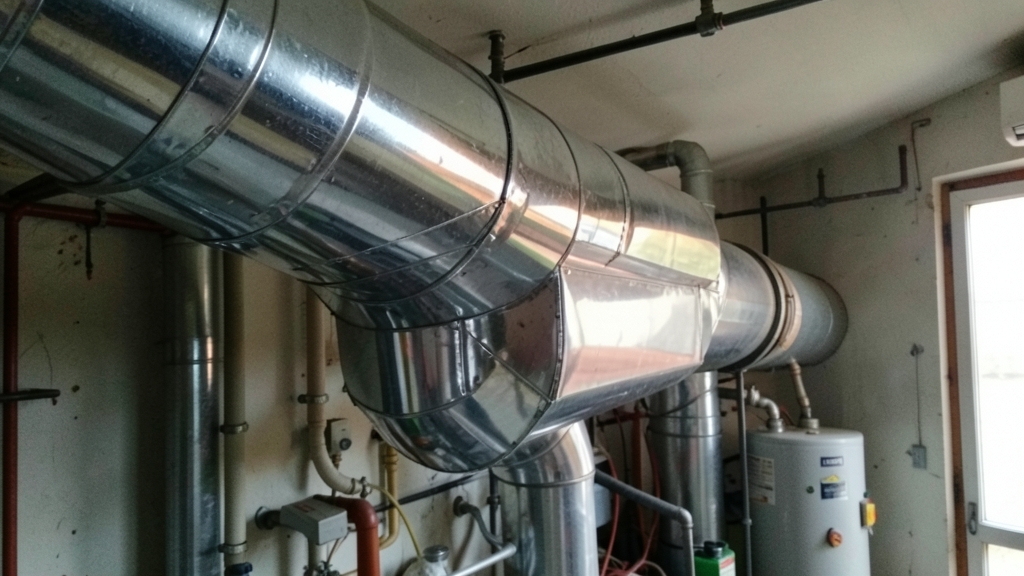
That lingering smell from your vents isn’t just annoying—it’s a red flag. Our team sees it often in LaGrange: musty, burning, or stale odors usually trace back to hidden issues in your ductwork or HVAC system. Ignoring them can worsen indoor air quality and even damage equipment over time.
Common Causes of Vent Odors in Local Homes
Musty smells typically signal mold or mildew thriving in damp ductwork. LaGrange’s humid summers create ideal conditions for spores to take hold, especially if moisture enters through leaks or poor insulation.
A burning odor often points to overheating components or accumulated dust near the furnace. In older systems, this can indicate a mechanical issue that needs immediate attention.
Stale or dusty scents usually mean a buildup of debris, pet dander, or dead pests in the ducts. Without regular air duct cleaning, these contaminants recirculate every time your HVAC runs.
Why LaGrange’s Climate Makes Duct Odors Worse
Our region’s high humidity in spring and summer accelerates mold growth in ducts. Poorly sealed systems pull in moist air, feeding spores that cling to interior surfaces.
Fall pollen and winter dust storms add layers of organic matter to your ductwork. Without professional cleaning, these particles decompose, releasing foul odors into your home.
Nearby areas like West Point and Hogansville share similar conditions. Homes here often need more frequent duct maintenance to combat seasonal debris and moisture.
A persistent burning odor could indicate an electrical or mechanical failure in your HVAC. Shut off the system and call a professional immediately to avoid fire risks.
Mold vs. Dust: How to Tell the Difference
Mold odors are often musty, earthy, or damp—like a wet basement. They worsen when the HVAC runs, as spores spread through the vents.
Dust smells more like stale air or old paper. It’s usually dry and lingers consistently, especially if you haven’t replaced air filters recently.
Pet odors or dead pests create a sharp, pungent smell that’s localized near certain vents. These require thorough duct cleaning and sometimes sanitization.
| Odor Type | Likely Cause | Recommended Action |
|---|---|---|
| Musty, damp | Mold or mildew growth | Professional duct cleaning + mold treatment |
| Burning, metallic | Overheating components or electrical issue | Immediate HVAC inspection |
| Stale, dusty | Accumulated debris or dead pests | Air duct cleaning + filter replacement |
| Rotting, pungent | Dead pest or organic decay | Duct cleaning + sanitization |
| Chemical, sharp | VOCs from cleaning products or off-gassing | Indoor air quality testing + ventilation check |
The Hidden Risks of Ignoring Vent Odors
Mold spores circulating through your ducts can trigger allergies, asthma, and respiratory issues. Children and the elderly are especially vulnerable in poorly ventilated homes.
Dust and debris reduce HVAC efficiency, forcing your system to work harder. This spikes energy costs and shortens the lifespan of components like coils and blower motors.
Pest infestations in ducts don’t just smell—they can damage wiring or insulation. Rodents and insects often nest in unused sections of ductwork, especially in older LaGrange homes.
When to Call for Professional Duct Cleaning
If odors persist after replacing air filters, it’s time for a duct inspection. Our team uses high-powered vacuums and brushes to remove years of buildup from every inch of your system.
Visible mold on vents or registers is a clear sign of deeper contamination. In these cases, we often recommend mold treatment or UV sanitization to prevent regrowth.
After a home renovation or pest control treatment, ducts can trap construction dust or chemical residues. A thorough cleaning restores air quality and removes lingering smells.
Lint buildup in dryer vents can cause a burning smell and pose a fire hazard. We offer dryer vent cleaning alongside duct services to keep your home safe.
DIY Fixes vs. Professional Solutions
Replacing air filters and cleaning visible vents can help with mild odors. Use high-MERV filters to capture smaller particles, but change them every 1-3 months to avoid airflow restriction.
For deeper issues, DIY methods like spray deodorizers only mask the problem. Professional tools—like negative air machines and HEPA vacuums—remove contaminants at the source.
If you suspect mold or pests, skip the DIY route. Disturbing contaminated ducts without proper equipment can spread spores or debris into your living spaces.
Quick Checks Before Calling a Pro
- Inspect and replace HVAC air filters
- Look for visible mold or debris around vents
- Check for pest droppings or nesting materials
- Verify no burning smells when the system starts
- Ensure all vents are open and unobstructed
Long-Term Solutions for Fresher Air
Regular air duct cleaning every 3-5 years prevents odor buildup. Homes with pets, smokers, or allergy sufferers may need more frequent service.
Adding UV light sanitization to your HVAC system kills mold, bacteria, and viruses on contact. It’s a popular upgrade in LaGrange for homes prone to musty smells.
Indoor air quality testing identifies hidden pollutants. We often pair this with duct cleaning to address the root cause of odors and health concerns.
How to Inspect Your Vents for Odor Sources
A quick visual and sensory check can help you pinpoint the issue before calling in the experts.
- 1Turn Off the HVAC System
Safety first. Shut off power to the furnace or AC to avoid stirring up contaminants while you inspect.
- 2Remove and Inspect Vent Covers
Use a screwdriver to take off a few registers. Look for dust buildup, mold spots, or pest debris inside the ducts.
- 3Sniff Test
Turn the system back on and smell the air coming from each vent. Note which rooms have the strongest odors.
- 4Check for Moisture
Feel the duct walls near the vents. Dampness suggests a moisture issue, which often leads to mold growth.
- 5Look for Visible Mold or Pests
Use a flashlight to peer into the ducts. Black spots or insect nests mean it’s time for professional cleaning.
- 6Review Air Filters
Hold the filter up to a light. If you can’t see through it, replace it. A clogged filter restricts airflow and traps odors.
Frequently Asked Questions
Why do my vents smell worse when the heat turns on in winter?
In LaGrange, winter means closed windows and recirculated air. When you switch on the heat, accumulated dust, mold, or pests in the ducts get blown into your home, making odors more noticeable. A pre-season duct cleaning can prevent this.
Can a dirty air filter cause vent odors?
Yes. A clogged filter traps dust, pet dander, and other particles, which decompose and create stale or musty smells. Replacing the filter is the first step, but persistent odors usually indicate deeper duct contamination.
Is mold in my ducts dangerous?
Mold in ductwork can release spores into your air, triggering allergies, asthma, and respiratory infections. It’s especially risky for immune-compromised individuals. Professional mold treatment and duct cleaning are the safest solutions.
How often should I have my ducts cleaned in LaGrange?
Most homes benefit from air duct cleaning every 3-5 years. However, if you have pets, smokers, or allergy sufferers—or live in a high-humidity area like near Pine Mountain—consider cleaning every 2-3 years.
What’s the difference between duct cleaning and coil cleaning?
Duct cleaning removes contaminants from the entire duct system, while HVAC coil cleaning targets the evaporator and condenser coils, which can harbor mold and bacteria. Both improve efficiency and air quality, and we often recommend them together.
Do you serve areas outside LaGrange, like Hogansville or West Point?
Yes, our team provides air duct cleaning, dryer vent cleaning, and related services across LaGrange and nearby communities, including Hogansville, West Point, Franklin, and Grantville. Request a quote to see if we cover your area.