Wildfire Smoke and Your HVAC: Why LaGrange Homes Need Duct Cleaning More Often
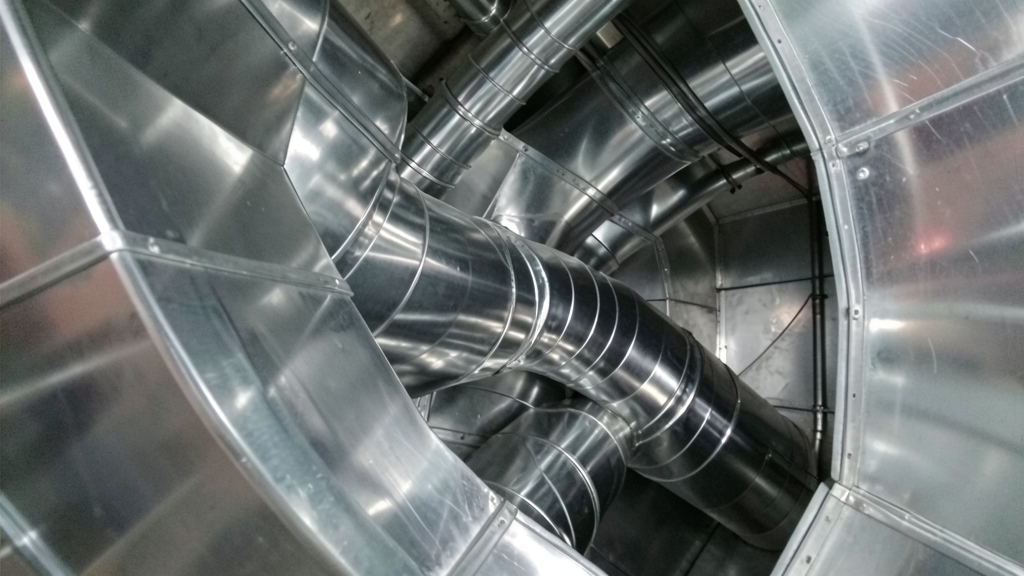
Wildfire smoke doesn’t just darken the sky over West Georgia—it seeps into your home, clinging to ductwork and circulating long after the air clears. For LaGrange homeowners, this means more than just a musty smell; it’s a silent strain on your HVAC and your family’s health. Regular air duct cleaning isn’t just maintenance—it’s a necessity in smoke-prone seasons.
How Wildfire Smoke Invades Your Duct System
Smoke particles are microscopic—smaller than pollen or dust—and easily bypass standard air filters. Once inside, they coat duct surfaces, evaporator coils, and even blower motors, reducing efficiency and air quality.
In LaGrange, our humid subtropical climate can compound the problem. Moisture in the air mixes with smoke residue, creating a sticky film that traps additional contaminants like mold spores and bacteria.
The Hidden Costs of Smoke-Contaminated Ducts
Clogged ducts force your HVAC to work harder, spiking energy use and shortening equipment life. In severe cases, smoke residue can corrode metal components over time, leading to costly repairs.
Health-wise, fine particulate matter (PM2.5) from smoke lingers in ducts and re-enters living spaces, aggravating allergies, asthma, and respiratory conditions. Kids and the elderly are especially vulnerable.
By the time you see black dust around vents or smell smoke indoors, contamination is already severe. Proactive cleaning prevents long-term damage.
LaGrange’s Seasonal Smoke Patterns and Duct Health
West Georgia’s wildfire risk peaks in late summer and fall, when dry conditions and wind carry smoke from as far as Alabama or the Smoky Mountains. Even short exposure periods can saturate your system.
Neighboring areas like Pine Mountain and Franklin often see higher smoke concentrations due to forested terrain. If you’re in these zones, prioritize duct inspections after regional fire alerts.
Duct Cleaning vs. DIY Fixes: What Actually Works
Changing your air filter more often helps, but it won’t remove the smoke film already coating your ducts. Only professional cleaning with high-powered vacuums and agitation tools can dislodge embedded contaminants.
Avoid ‘quick fix’ sprays or sealants—these can mask odors temporarily but may trap particles deeper in the system. True remediation requires mechanical cleaning and, in some cases, sanitization treatments.
| Method | Effectiveness | Longevity | Cost Factors |
|---|---|---|---|
| DIY Filter Replacement | Low (surface-level only) | Short-term (1-3 months) | Filter type, MERV rating |
| Portable Air Purifiers | Moderate (room-specific) | Ongoing (requires constant use) | Unit quality, room size |
| Professional Duct Cleaning | High (system-wide) | 6-12 months (or until next smoke event) | Duct material, system size, contamination level |
| UV Light Treatment | High (kills microbes, not particles) | 12+ months (with maintenance) | Bulb replacement, installation complexity |
| Duct Sealing + Cleaning | Very High (prevents recontamination) | 2-5 years | Duct condition, labor intensity |
Signs Your LaGrange Home Needs Duct Cleaning After Smoke Exposure
A persistent smoky odor when the HVAC runs is the most obvious red flag. Others include visible dust buildup on vents, reduced airflow, or unexplained spikes in allergy symptoms among household members.
Check your air filter after a smoke event. If it’s gray or black within a week of replacement, your ducts likely need attention. Also inspect outdoor units—smoke can clog condenser coils, further stressing your system.
Post-Smoke Duct Inspection Checklist
- Smell test: Run HVAC on fan mode and check for smoke odors at vents
- Visual check: Look for black or brown residue on vent grilles
- Airflow test: Compare airflow strength before and after filter replacement
- Filter inspection: Replace and monitor how quickly it darkens
- Health monitoring: Note any increases in coughing, sneezing, or headaches indoors
Why Professional Cleaning Beats Renting Equipment
Consumer-grade duct cleaning tools lack the suction power to reach deep into trunk lines and branch ducts. Professionals use truck-mounted vacuums that create negative pressure, ensuring particles are pulled out—not just redistributed.
Our team also inspects for secondary issues like mold growth in humid ducts or damaged flex ducts that may need replacement. In Hogansville or West Point, older homes often have deteriorating ductwork that smoke exposure accelerates.
Smoke residue on evaporator and condenser coils reduces cooling efficiency by up to 30%. Always pair duct cleaning with coil service for full system recovery.
Long-Term Strategies to Protect Your HVAC from Smoke
Upgrade to a MERV 13 or higher filter during smoke season, but confirm your HVAC can handle the increased resistance. For severe allergies, consider a HEPA filtration add-on.
Seal duct leaks to prevent smoke from entering between cycles. In Georgia’s climate, this also improves energy efficiency year-round. Schedule annual duct inspections, especially if you live near wooded areas like Pine Mountain.
How to Prepare Your Home for Professional Duct Cleaning After Smoke Exposure
A little prep ensures the most thorough and efficient service.
- 1Clear the Area
Move furniture, rugs, and breakables at least 3–4 feet away from vents and the HVAC system. This gives our team unobstructed access to all registers and the main unit.
- 2Change the Filter
Install a fresh filter before the appointment. This prevents dislodged debris from immediately clogging a new filter during cleaning.
- 3Secure Pets and Kids
Keep pets in a separate room and arrange for kids to be out of the home if possible. The process is loud and can stir up temporary dust.
- 4Turn Off HVAC
Switch your system to the ‘off’ position at the thermostat 1–2 hours before the appointment. This allows any loose particles to settle, making removal easier.
- 5Note Problem Areas
Jot down any vents with strong odors, reduced airflow, or visible residue. Share this list with the technician to prioritize those zones.
Frequently Asked Questions
How soon after wildfire smoke should I clean my ducts in LaGrange?
Ideally within 1–2 weeks of exposure. The longer smoke residue sits, the harder it bonds to duct surfaces. If smoke was heavy or prolonged, don’t wait—schedule an inspection right away.
Can duct cleaning remove all wildfire smoke odor from my home?
Cleaning removes the source of the odor—contaminated ductwork—but lingering smells in carpets, furniture, or walls may require additional treatments like ozone or hydroxyl generators. We focus on the HVAC system, which is the primary circulator of smoke particles.
Is duct cleaning safe for older homes in Grantville or Hogansville?
Yes, but older ductwork (especially flex ducts) may be fragile. Our team assesses the system’s condition first. In some cases, we recommend partial cleaning or duct replacement to avoid damaging deteriorated materials.
Will my insurance cover duct cleaning after wildfire smoke?
Coverage varies by policy. Some homeowners’ insurance may cover it if the smoke caused documented damage. Check your policy and request a detailed invoice from us to submit with your claim.
How often should I replace my air filter during smoke season in West Georgia?
Every 30–45 days during active smoke periods. Use a MERV 8–13 filter for balance between filtration and airflow. If you have pets or allergies, consider upgrading to a MERV 13 or adding a secondary filter.
Do you offer mold treatment if smoke leads to moisture issues in my ducts?
Yes. After cleaning, we can apply EPA-approved antimicrobial treatments to prevent mold and mildew growth. This is especially important in humid areas like LaGrange, where moisture can interact with smoke residue.